 how-to
Signs of Structural Foundation Issues: A Homeowner's Guide
Table of Contents
- What Are Structural Foundation Issues?
- Common Signs of Structural Foundation Issues
- Foundation Cracks: Causes and Severity
- How to Monitor Foundation Cracks
- When to Call a Foundation Inspector
- What to Expect During a Professional Inspection
- Taking Action: Next Steps
- Frequently Asked Questions
Last Updated: October 21, 2026
What Are Structural Foundation Issues?
Structural foundation issues occur when the base of your home shifts, settles, or deteriorates in ways that threaten the stability of the entire structure.
Your foundation bears the weight of everything above it. When soil beneath your home moves, expands, or contracts due to moisture changes, the foundation can shift.
The key distinction is this: minor settling happens in most homes. Severe foundation problems demand immediate attention.
Common Signs of Structural Foundation Issues
The most reliable way to assess your home's foundation health is to know what to look for. We'll walk through the primary warning signs that indicate potential structural foundation issues.

Interior Wall and Ceiling Cracks
Interior cracks appear in walls and ceilings when the foundation moves. Hairline cracks, thin lines barely wider than a pencil, often result from normal settling and paint shrinkage.
Watch for these crack patterns:
- Diagonal cracks running 45 degrees across walls or ceilings
- Horizontal cracks that span the width of a wall
- Cracks that recur after repair
- Cracks wider than one-eighth inch
Cracks concentrated around doorways and window frames deserve extra attention. These areas experience stress concentration when foundations shift. A crack that runs diagonally from the corner of a door or window upward suggests movement directly below.
Exterior Cracks in Brickwork and Foundation
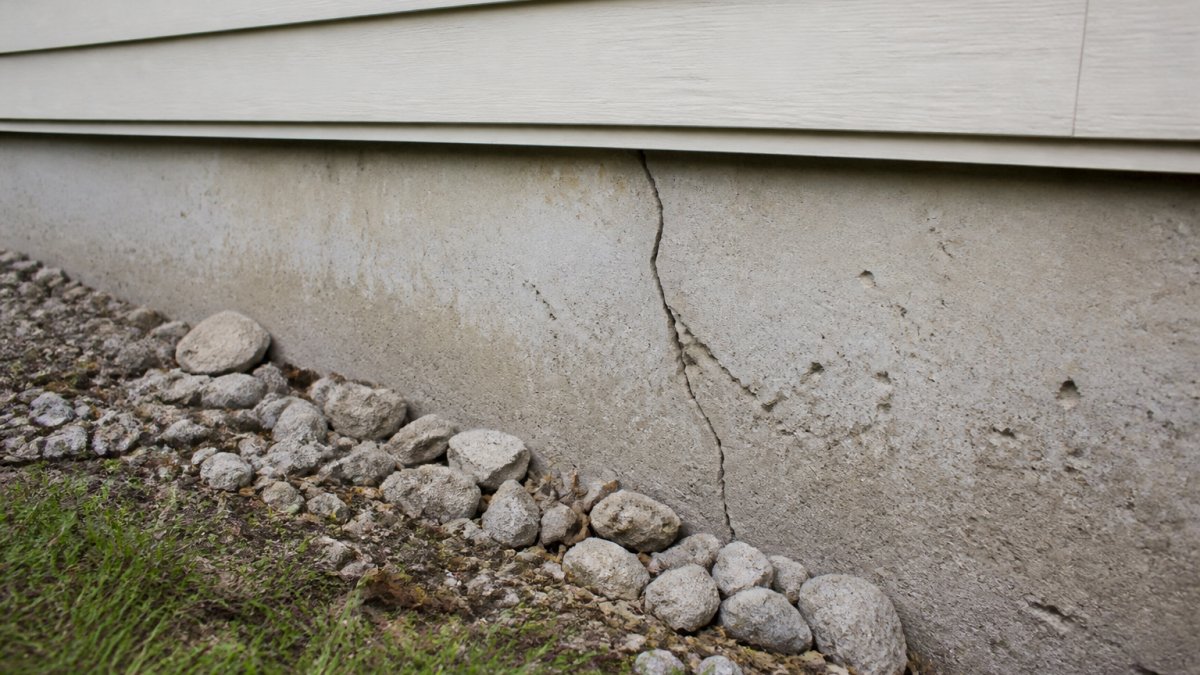
Exterior cracks in brickwork and foundation walls are often more obvious than interior damage because they're exposed to weather. These cracks allow water infiltration, which accelerates deterioration.
Look for:
- Stair-step cracks through mortar joints in brick or block
- Horizontal cracks running along the foundation
- Cracks wider than one-quarter inch
- Spalling (pieces of concrete or brick breaking away)
- White powder or efflorescence around cracks
Exterior foundation cracks demand faster action than interior cracks. Water entering through these openings can weaken the foundation further and damage basements or crawl spaces. Moisture intrusion also promotes mold growth and structural decay.
Uneven, Sloping, or Sagging Floors
Floors that dip, slope, or feel bouncy indicate foundation settlement or floor joist failure. Walk through your home slowly. Notice if you naturally drift toward one side of a room.
Uneven floors develop because:
- Foundation settles unevenly
- Floor joists sag or rot
- Soil beneath the foundation compacts differently in various locations
- Moisture damage weakens wooden support members
Sagging floors in older homes are common but not always serious. However, new or worsening sagging suggests active foundation movement. This is one of the clearest signs of structural foundation issues that requires professional evaluation.
Sticking Doors and Windows
Doors and windows that jam, stick, or fail to close properly often signal foundation movement. When the foundation shifts, door frames and window frames twist out of square.
This happens because:
- Foundation movement tilts wall frames
- Doors and windows no longer hang vertically
- Gaps appear between frames and walls
- Hinges and latches no longer align
A single sticking door might reflect humidity or poor installation. Multiple doors and windows sticking throughout the house suggests structural foundation issues. Pay attention to whether the problem worsens over weeks or months.
Gaps and Separation
Gaps appear where walls meet ceilings, where trim separates from walls, or where walls pull away from each other. These gaps indicate the structure is moving in different directions or at different rates.
Common gap locations:
- Between exterior walls and interior walls
- Where walls meet the ceiling
- Around window and door frames
- Between baseboards and walls
- Where crown molding separates from the ceiling
Small gaps from normal settling are cosmetic. Widening gaps or gaps that reappear after caulking suggest ongoing movement. Documenting these gaps with photos and dates helps track whether they're stable or progressing.
Bowing or Moving Basement Walls
Basement walls that bow inward or show visible movement indicate serious foundation stress. This is one of the most concerning signs of structural foundation issues. Bowing walls mean soil pressure is pushing inward with force the foundation cannot resist.
Signs of wall movement include:
- Visible inward curve or bulge
- Horizontal cracks across the wall
- Water seeping through cracks
- Visible displacement over time
- Crumbling or spalling concrete
Bowing basement walls require immediate professional inspection. This condition worsens over time and can lead to catastrophic failure if left unaddressed. The wall may eventually collapse, compromising the entire structure above it.
Foundation Cracks: Causes and Severity
Understanding what causes foundation cracks helps you assess urgency. Multiple causes produce different types of damage, and severity varies widely.
Hairline vs. Structural Cracks
Hairline cracks are thin lines barely visible without close inspection. They measure less than one-eighth inch wide. Structural cracks are noticeably wider, longer, and follow patterns that indicate stress.
Hairline cracks typically result from:
- Normal concrete shrinkage as it cures
- Paint shrinkage
- Seasonal temperature changes
- Minor, uniform settling
Structural cracks indicate:
- Uneven foundation settlement
- Soil movement or expansion
- Water damage and deterioration
- Structural stress from above
The distinction matters because hairline cracks rarely signal serious structural foundation issues. Structural cracks demand investigation and often require repair. A professional inspector can determine which category your cracks fall into by examining their width, length, pattern, and location.
Common Causes of Foundation Movement
Foundation movement stems from soil behavior.
Primary causes include:
Soil expansion and contraction, Clay soils expand when wet and shrink when dry. This cycle creates movement that stresses foundations. Severe droughts followed by heavy rain intensify this effect.
Poor drainage, Water pooling near the foundation saturates soil, increasing pressure on foundation walls.
Tree roots, Large trees near your home extract moisture from soil, causing it to dry and shrink.
Settling, New construction experiences settling as soil compacts under the home's weight.
Plumbing leaks, Water escaping from underground pipes softens soil and reduces its bearing capacity.
How to Monitor Foundation Cracks
Regular monitoring reveals whether cracks are stable or progressing. This information helps you decide whether professional inspection is urgent or can wait.
Start by documenting existing cracks:
-
Take dated photos, Photograph each crack clearly. Include a ruler or coin in the photo for scale. Note the date on the back or in your records.
-
Mark crack endpoints, Use a pencil to mark where each crack begins and ends. Write the date next to your marks.
-
Measure crack width, Use a ruler or crack-width gauge. Record measurements for cracks wider than one-sixteenth inch.
-
Map crack locations, Draw a simple sketch of your home showing where cracks appear. Note which rooms and which walls.
-
Check monthly, Every 30 days, photograph the same cracks from the same angle. Compare new photos to previous ones.
-
Note other changes, Record whether doors stick more, floors feel more uneven, or new cracks appear.
If cracks grow noticeably within a few months or new cracks appear frequently, foundation movement is active. This justifies calling a professional inspector immediately. If cracks remain stable for a year or more, the foundation has likely stabilized.
When to Call a Foundation Inspector
Knowing when to seek professional help prevents small problems from becoming expensive disasters. Some situations demand immediate inspection. Others can wait for routine evaluation.
Call immediately if you observe:
- Bowing or visibly moving basement walls
- Cracks wider than one-quarter inch
- Multiple new cracks appearing within weeks
- Floors that suddenly become noticeably uneven or bouncy
- Water actively entering the basement through cracks
- Doors or windows that suddenly jam or won't close
- Visible separation between walls and ceilings or trim
Schedule inspection within a few weeks if you notice:
- New cracks that are stable but concerning
- Doors sticking in one or two locations
- Minor floor unevenness
- Gaps appearing around trim or door frames
- Hairline cracks that recur after repair
Monitor for now if you see:
- Hairline cracks that haven't changed in months
- Minor settling in new construction (first 2-3 years)
- Single sticking door in an older home
A qualified foundation inspector brings specialized knowledge and equipment. They assess whether cracks reflect cosmetic settling or serious structural foundation issues. They also identify the root cause, soil movement, drainage problems, or other factors, so repairs address the actual problem.
What to Expect During a Professional Inspection
Understanding the inspection process reduces anxiety and helps you prepare.
The inspector will:
Examine interior walls and ceilings, They photograph and measure cracks, noting their width, length, direction, and location. They assess whether cracks follow stress patterns indicating foundation movement.
Evaluate floors, They use a level to check whether floors are truly level or sloping.
Assess exterior, They examine brickwork, mortar joints, and visible foundation for cracks, spalling, or displacement.
Document findings, They provide a written report with photographs, measurements, and recommendations.
A professional inspector provides the expertise to distinguish minor settling from serious structural problems.
Taking Action: Next Steps
Once you understand your foundation's condition, you can make informed decisions about repairs and prevention.
If the inspection reveals serious structural foundation issues:
- Obtain repair estimates from licensed contractors
- Understand the repair method and timeline
- Plan for temporary displacement if necessary
- Budget for the work and arrange financing if needed
If the inspection indicates monitoring is appropriate:
- Continue tracking cracks monthly
- Maintain proper grading and drainage
- Schedule follow-up inspection in 1-2 years
- Address any new concerns promptly
Prevent future problems by:
- Maintaining gutters and downspouts
- Grading soil away from the foundation
- Fixing plumbing leaks promptly
- Managing trees and vegetation near the home
- Monitoring interior cracks regularly
J Curran Home Services provides expert construction and remodeling solutions tailored to the needs of South Jersey residents. From comprehensive kitchen and bathroom renovations to essential exterior work like windows, siding and decks the team handles projects of all sizes with quality and care. By combining skilled craftsmanship with reliable service, they serve as a trusted partner in transforming and maintaining residential spaces.
Frequently Asked Questions
What are the first signs of structural foundation problems?
The earliest warning signs often include small cracks in interior walls near corners and doors, slightly uneven floors, or doors that begin to stick or jam. These may appear gradually over months or years. Monitor these signs closely, as they can indicate foundation movement caused by soil settlement, moisture changes, or shifting. Not every crack signals a serious structural foundation issue, but patterns of cracks combined with other symptoms warrant professional evaluation.
How do I know if foundation cracks are serious?
Foundation cracks: causes and severity vary widely. Hairline cracks (less than 1/8 inch) that appear alone are often cosmetic and caused by normal settling. Wider cracks (1/4 inch or more), diagonal cracks, or cracks that continue across multiple surfaces suggest structural movement. Cracks paired with uneven floors, sticking doors, or bowing walls indicate more serious foundation problems. When in doubt, document the crack with photos and measurements, then contact a qualified inspector for diagnosis.
When should I call a foundation inspector?
When to call a foundation inspector depends on what you observe. Contact one immediately if you notice multiple warning signs together, such as cracks plus uneven floors, or if cracks are widening over time. Schedule an inspection if doors and windows throughout your home are sticking or misaligned, or if basement walls show bowing or movement. Even if you're unsure, a professional inspection provides peace of mind and costs far less than emergency repairs later.
How do I monitor foundation cracks over time?
How to monitor foundation cracks involves simple documentation. Take clear photos of each crack, including a ruler or coin for scale, and note the date. Measure crack width with a ruler or crack-width gauge (available at hardware stores). Repeat photos and measurements every 3-6 months. If cracks remain stable in size and appearance, they're likely cosmetic. Rapid widening or new cracks appearing nearby signal active foundation movement and warrant professional inspection.
Discovering potential structural foundation issues early prevents costly damage and protects your family's safety. If you've noticed cracks, uneven floors, sticking doors, or other warning signs, professional inspection clarifies what you're dealing with. J Curran Home Services can evaluate your home's foundation condition and recommend the right course of action. Get an Estimate today and take the first step toward a secure foundation.