 how-to
How to Avoid Hidden Renovation Costs
Last Updated: October 26, 2026
Quick Summary
Hidden renovation costs are unexpected expenses that emerge during a project but weren't included in the original estimate, such as structural damage, outdated systems, or code violations. Avoid them by getting detailed itemized estimates, setting up a contingency fund, comparing quotes carefully, and requiring written change orders for any scope modifications.
- A solid estimate must itemize labor by trade, specify all materials with product names, include permits and inspection fees, and list a separate contingency allowance.
- Never approve changes verbally; every modification needs a written change order with a price attached before work proceeds.
- Red flags include vague line items, missing permit fees, no contingency listed, unusually low prices, and contractors who won't provide references.
- Get a detailed written contract before work begins, not just an estimate, and have an attorney review it for substantial projects.
- Do a pre-work walkthrough with your contractor and document your home's condition with photos to establish a baseline.
Table of Contents
- Understanding Hidden Renovation Costs
- What to Include in a Remodeling Estimate
- Setting Up a Home Renovation Budget Contingency
- How to Compare Contractor Quotes Effectively
- The Home Renovation Change Order Process
- Red Flags That Signal Missing Costs in Your Estimate
- Getting Your Renovation Started Right
- Frequently Asked Questions
Understanding Hidden Renovation Costs
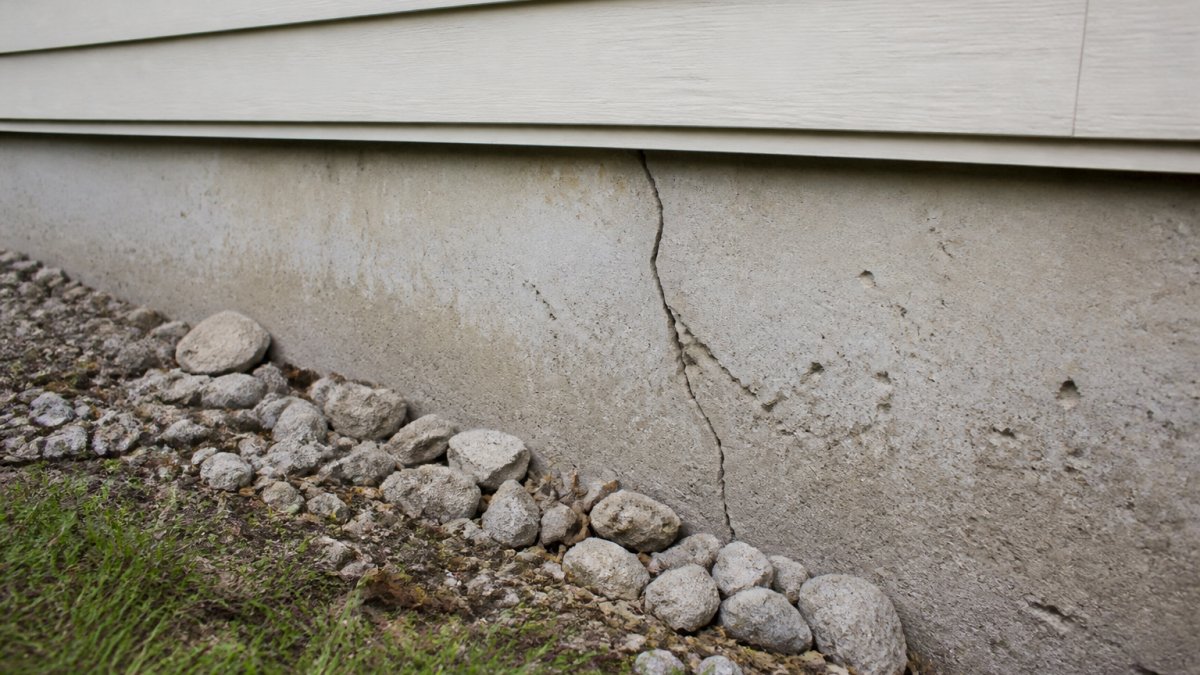
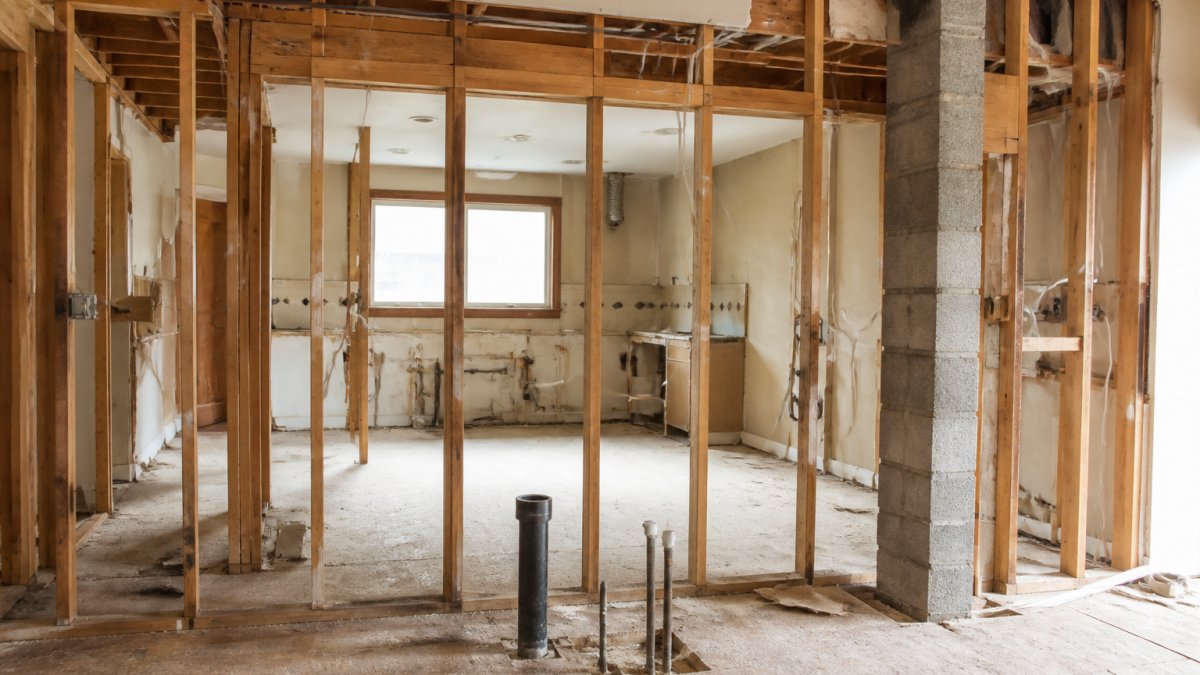
Hidden renovation costs are expenses that emerge during a project but weren't included in the original estimate. They catch homeowners off guard because they're often discovered only after work begins. Common culprits include structural damage behind walls, outdated electrical systems, plumbing issues, or code violations that need correcting.
The key to avoiding them is understanding where they hide and planning accordingly. Most homeowners don't realize that how to avoid hidden renovation costs starts before a contractor ever steps foot in your home.
These costs typically fall into a few categories. First, there are discovery costs, problems found once walls are opened. Second, there are code compliance costs, upgrades required to meet current building standards. Third, there are material and labor cost increases if suppliers raise prices mid-project. Understanding these categories helps you prepare mentally and financially.
What to Include in a Remodeling Estimate
A complete remodeling estimate should spell out every service, material, and labor cost involved in your project. Without this detail, you're setting yourself up for surprises. The estimate should be itemized line by line, not lumped into vague categories like "labor" or "materials."
Here's what a solid estimate must cover:
- Labor costs broken down by trade (framing, electrical, plumbing, finishing)
- All materials with specific product names and quantities
- Permits and inspection fees
- Disposal and cleanup services
- Timeline and payment schedule
- Warranty details on workmanship and materials
- A clear contingency allowance (separate line item)
Ask your contractor to specify exactly what's included and what's not. For example, does "kitchen renovation" include removing the old cabinets and disposing of them? Does it cover new flooring, or just the tile work? Does it include painting? These details matter enormously.
When you're comparing estimates, look for vagueness as a red flag. Phrases like "finishing work as needed" or "miscellaneous repairs" are hiding places for future costs. You want specificity. The services that should be included are things like trim work, flooring installation, tile work, and painting, each should be its own line item with a price.
Setting Up a Home Renovation Budget Contingency
A contingency fund is your financial safety net. It's money set aside specifically for unexpected costs that will almost certainly arise. Think of it as insurance against the unknown.
Most renovation projects encounter surprises. The question isn't whether you'll find something unexpected, it's how much you'll find. A contingency can help you prepare for unexpected costs. The amount depends on the scope and age of your home.
Here's how to structure your contingency properly:
-
Calculate your total estimated project cost
-
Keep this money separate and untouched during planning
-
Use it ONLY for genuine surprises, not for scope creep or design changes
-
Track every contingency dollar spent so you know what actually went wrong
The mistake most homeowners make is treating contingency as optional. They budget for it but then spend it on upgrades or extras before the project even starts. That leaves them vulnerable when real problems surface. Protect that fund. Don't let it become a slush fund for nice-to-haves.
How to Compare Contractor Quotes Effectively
Comparing quotes is harder than it looks. Two contractors might quote different prices for the same project, but those quotes might not actually be for the same work. You need to compare apples to apples.
Start by asking each contractor to bid on the exact same scope of work. Provide them with the same specifications, materials, and timeline. The difference should be explainable. Maybe one is using premium materials. Maybe one has a longer timeline that reduces costs. Maybe one is simply more expensive. You need to know why.
Get everything in writing. A verbal quote is worthless if disputes arise later. The written estimate should match the conversation you had, same materials, same labor, same timeline. If a contractor gives you a verbal quote that differs from the written one, that's a warning sign.
Look at the payment schedule too. How much is due upfront? How much at completion? Ask about the payment schedule, including any deposit, progress payments, and final payment. Review the terms before agreeing.
Ask each contractor about their experience with similar projects. Have they done kitchen renovations before? Bathroom remodels? How many? How long have they been in business? References matter. Call them. Ask about their experience, did the project stay on budget? On schedule? Would they hire this contractor again?
The Home Renovation Change Order Process
A change order is a formal document that modifies the original contract. It happens when the scope of work changes, when new issues are discovered, or when you decide to upgrade materials or add features. Change orders are normal, but they need to be handled correctly.
Here's how the process should work. First, someone identifies a needed change, either you or the contractor. Second, the contractor provides a written change order detailing what's changing, why, and how much it will cost. Third, you review and approve it (or negotiate if the cost seems high). Fourth, both parties sign it. Fifth, the work proceeds under the new terms.
Never approve changes verbally. Never let a contractor say "we'll just add this and figure out the cost later." That's how budgets explode. Every change, no matter how small, needs a written change order with a price attached before the work happens.
Track every change order throughout the project. Keep them organized so you can see exactly how the original scope expanded and why. This record protects both you and the contractor. It shows what was planned versus what actually happened.
Red Flags That Signal Missing Costs in Your Estimate
Certain warning signs suggest an estimate is incomplete or deliberately low. Watch for these:
- Vague line items like "labor" without breaking down what trades are included
- No mention of permits or inspection fees
- No contingency allowance listed
- Prices that seem unusually low compared to other quotes
- No timeline or payment schedule provided
- Contractor won't provide references or seems evasive about past projects
- Estimate is handwritten on a napkin or informal document
- No warranty or guarantee mentioned
- Contractor pushes for quick decisions or large upfront payments
If an estimate feels incomplete, it probably is. Ask questions. Demand clarity. A professional contractor will be happy to explain every line item. If they get defensive or dismissive, that's a red flag.
Also watch for contractors who downplay potential problems. If you mention that your home was built in 1975 and the contractor says "we'll probably be fine, no issues likely," that's suspicious. Older homes almost always have surprises. A good contractor acknowledges this reality.
Watch for these warning signs that suggest an estimate is incomplete or deliberately underpriced.
| Warning Sign | What It Means |
|---|---|
| Vague line items like "labor" | Trades included are not broken down |
| No permits or inspection fees mentioned | Essential costs are missing |
| No contingency allowance listed | No buffer for unexpected expenses |
| Unusually low prices | May indicate incomplete scope |
| No timeline or payment schedule | Terms are unclear or undefined |
| Contractor won't provide references | Past work cannot be verified |
| Handwritten informal estimate | Lacks professionalism and detail |
| No warranty or guarantee mentioned | Workmanship protection is absent |
Getting Your Renovation Started Right
Starting a renovation correctly sets the tone for the entire project. It reduces surprises and keeps costs under control. Here's what to do before work begins.
First, check the contractor's credentials and ask for documentation relevant to your project.
Second, get a detailed written contract. Not just an estimate, a contract that spells out the scope, timeline, payment schedule, warranty, and what happens if disputes arise. Have an attorney review it if the project is substantial. The contract is your protection.
Third, establish clear communication protocols. How will you stay in touch? Weekly check-ins? Daily? How will change orders be handled? What happens if you're unhappy with the work? Clear communication prevents misunderstandings.
Fourth, do a pre-work walkthrough with your contractor. Point out concerns. Discuss potential problem areas. Document the condition of your home before work starts (take photos). This creates a baseline so there's no dispute about what was already damaged.
Finally, review the payment schedule and contract terms before agreeing.
The contractor you choose should guide you through this process. Contact our home renovation experts in South Jersey to get started with a detailed estimate and professional guidance. They should answer your questions patiently and provide clear documentation at every step. A contractor who rushes this process or resists putting things in writing is showing you who they are, believe them.
Starting a renovation with your eyes open protects your budget and your sanity. The effort you invest upfront in understanding costs, getting detailed estimates, and establishing clear processes pays dividends throughout the project. When you work with experienced professionals who communicate clearly and document everything, hidden renovation costs become far less likely. Research on transaction costs in home renovation shows that informed homeowners who plan carefully experience significantly fewer cost overruns. Get an estimate from J Curran Home Services and see how professional planning prevents surprises.
Frequently Asked Questions
What are the most common hidden costs in a home renovation?
Hidden renovation costs can include work that was not included in the original scope. Ask contractors to specify what's included and excluded from their estimate.
How much should I set aside for unexpected renovation costs?
The amount to set aside depends on your project's scope and circumstances. Discuss potential unexpected costs with your contractor.
What should I do if unexpected problems are found during renovation?
Request a formal change order from your contractor that documents the new work, materials, timeline impact, and cost. Review it carefully before signing. A written record can document what changed and why. Ask your contractor to explain how the issue was discovered and why it wasn't visible in the initial estimate.
How can I tell if a renovation quote is missing costs?
Review the estimate and ask whether it covers labor, materials, permits, inspections, disposal, and timeline. Ask the contractor to walk you through every line item. Request a detailed breakdown and ask what happens if structural issues or code violations are discovered.