 listicle
7 Residential Exterior Maintenance Services South Jersey Homeowners Need
Last Updated: October 25, 2026
Quick Summary
Residential exterior maintenance services include regular cleaning, repair, and upkeep work that protects your home's outer surfaces and structural integrity, ranging from routine pressure washing to specialized roof inspections and siding repairs. South Jersey homeowners should prioritize house washing, gutter cleaning, roof maintenance, siding repair, power washing, and trim replacement based on local climate, home age, and current condition.
- Gutters should be cleaned at least twice yearly in South Jersey, with some homes needing three cleanings annually due to deciduous trees and frequent storms.
- Professional roof inspections should happen annually, especially after severe weather, to catch problems before they cause leaks.
- House washing uses lower water pressure under 500 PSI combined with eco-friendly cleaning solutions to safely clean siding without damage.
- Build a maintenance calendar before calling contractors to compare bids on the same scope and avoid unnecessary upselling.
- Verify contractor licensing, insurance, written estimates, and references from similar homes before signing any agreement.
Table of Contents
- What Residential Exterior Maintenance Services Include
- 1. House Washing Services for Siding and Surfaces
- 2. Gutter Cleaning Services and Seasonal Care
- 3. Roof Maintenance Services and Inspections
- 4. Siding Repair and Maintenance Work
- 5. Power Washing and Pressure Cleaning
- 6. Trim Replacement and Exterior Repairs
- How to Evaluate and Hire an Exterior Maintenance Contractor
- Frequently Asked Questions
What Residential Exterior Maintenance Services Include
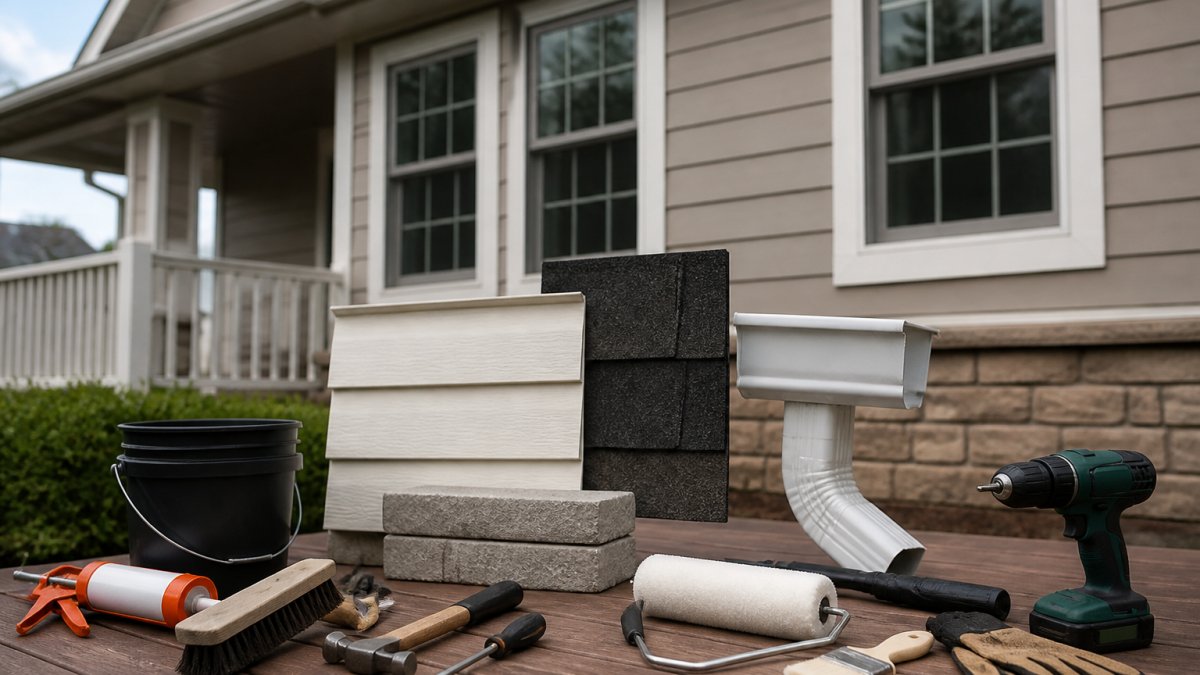
Residential exterior maintenance services encompass the regular cleaning, repair, and upkeep work that protects your home's outer surfaces and structural integrity. These services range from routine pressure washing to specialized roof inspections and siding repairs.
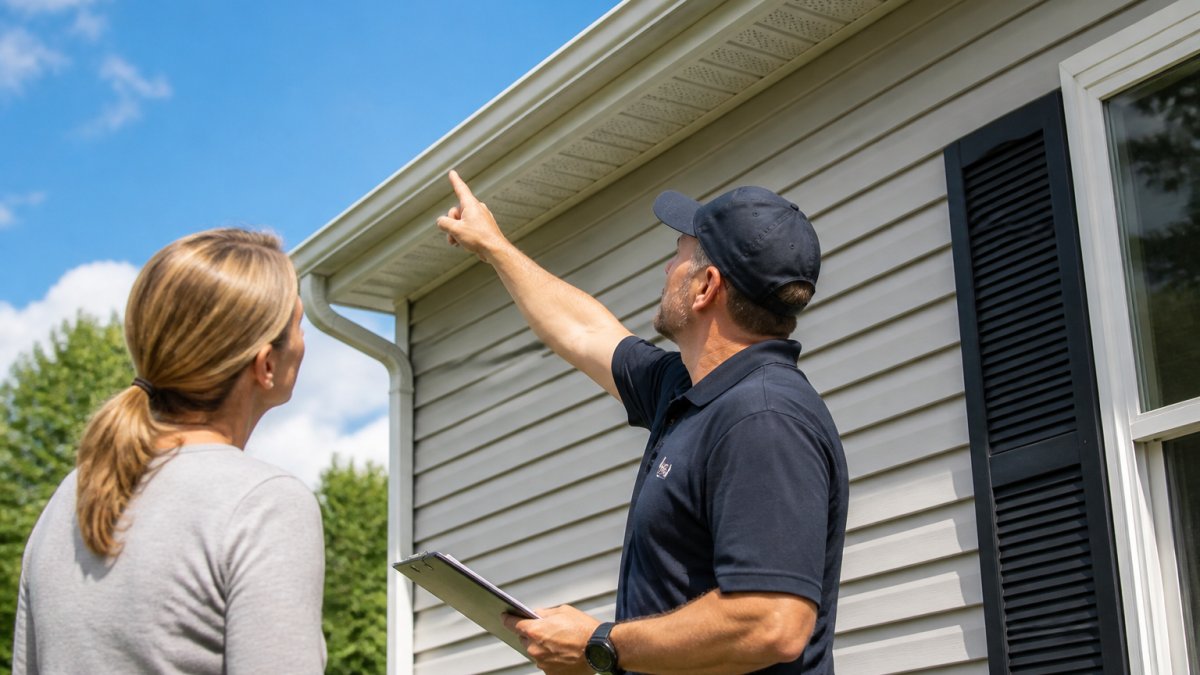
According to Housecall Pro's 2026 State of Home Services Spending, 96% of surveyed homeowners planned to spend on home projects in 2026, with 79% planning at least one system repair or replacement.
At J Curran Home Services, we understand that exterior maintenance isn't one-size-fits-all. Your home's needs depend on local climate, age, materials, and current condition.
1. House Washing Services for Siding and Surfaces
House washing removes dirt, mold, algae, and weathering from your home's exterior surfaces without the high pressure that can damage delicate materials. It's the gentler cousin of power washing, ideal for vinyl siding, wood, stucco, and painted surfaces that need cleaning but not aggressive treatment.
Most homes benefit from house washing every 1-2 years depending on local moisture, tree coverage, and pollution exposure. South Jersey's humid climate and proximity to salt air accelerate mold and mildew growth, making regular washing essential for siding longevity. The process typically takes 2-4 hours for a standard residential home and costs vary based on home size, surface condition, and accessibility, always request a free estimate from a licensed contractor before committing.
What makes house washing different from power washing: it uses lower water pressure (under 500 PSI) combined with eco-friendly cleaning solutions to lift dirt without etching or stripping paint. The result is a cleaner home that's safer for landscaping, windows, and siding materials. Contractors who perform this service properly understand that technique matters as much as equipment.
2. Gutter Cleaning Services and Seasonal Care
Gutters are your home's first line of defense against water damage. They channel rainwater away from your foundation, roof, and siding. When gutters clog with leaves, debris, and sediment, water backs up and causes rot, foundation damage, and interior leaks. Gutter cleaning services remove this buildup and restore proper drainage.
Most homeowners should have gutters cleaned at least twice yearly, once in late fall after leaves drop, and again in spring before heavy rain season. In South Jersey, with its deciduous trees and frequent storms, some homes need three cleanings annually.
Professional gutter cleaning takes 1-3 hours depending on home size and debris volume. Beyond cleaning, contractors often spot issues like sagging gutters, loose fasteners, or damaged sections that need repair. Addressing these problems early prevents water damage that could cost thousands to remediate. Some contractors also install gutter guards or screens to reduce future debris accumulation, worth discussing during your estimate.
3. Roof Maintenance Services and Inspections
Your roof is your home's primary shield against weather. Regular roof maintenance extends its lifespan, identifies problems before they cause leaks, and maintains your warranty. Maintenance includes inspections, cleaning, minor repairs, and ensuring proper ventilation and drainage.
Professional roof inspections should happen annually, especially after severe weather. Inspectors look for missing or damaged shingles, deteriorated flashing, moss or algae growth, and structural issues.
The IBISWorld Building Exterior Cleaners analysis confirms that roof maintenance is a core service category driving industry growth. Minor repairs caught during inspection, replacing a few shingles, sealing gaps, or securing loose flashing, cost far less than emergency repairs or premature roof replacement.
4. Siding Repair and Maintenance Work
Siding protects your home from weather while defining its appearance. Damage to siding, cracks, holes, rot, or separation, compromises this protection and invites moisture damage and pest entry. Siding repair and maintenance work addresses these issues before they escalate.
Common siding repairs include patching vinyl damage, replacing rotted wood sections, sealing gaps and seams, and addressing separation where panels have shifted. Vinyl siding can crack or warp from impact or extreme temperature swings.
The cost of siding repair depends on the damage extent and material type. Preventive maintenance, regular inspection, prompt caulking, and repainting, extends siding life and keeps repair costs manageable. South Jersey's salt air and humidity accelerate siding deterioration, making regular upkeep especially important.
5. Power Washing and Pressure Cleaning
Power washing uses high-pressure water jets (2000+ PSI) to remove stubborn dirt, stains, paint, and buildup from hard surfaces. It's ideal for driveways, concrete patios, deck surfaces, and heavily soiled exterior areas. Unlike house washing, power washing can handle tough jobs but requires skill to avoid surface damage.
Pressure washing is effective for removing algae from concrete, cleaning deck stains, stripping old paint, and preparing surfaces for new finishes. According to Pressure Tech LLC's South Jersey pricing guide, residential pressure washing typically starts around $150 for small hardscape visits, though pricing varies widely based on project scope and surface condition.
The key to quality pressure washing is knowing when high pressure is appropriate and when gentler methods work better. Experienced contractors adjust pressure and nozzle type based on surface material, concrete can handle 3000+ PSI, while wood decks need 500-1500 PSI to avoid gouging.
6. Trim Replacement and Exterior Repairs
Trim, the wood or composite framing around windows, doors, rooflines, and siding edges, serves both aesthetic and protective functions. It covers gaps, directs water away from vulnerable areas, and frames your home's architectural details. Damaged trim allows water infiltration and accelerates rot in underlying structures.
Trim damage includes rotted wood, separation from siding, peeling paint, and missing sections. Wood trim is particularly vulnerable in South Jersey's humid climate. Replacement might involve removing damaged sections and installing matching material, or in severe cases, replacing entire trim runs.
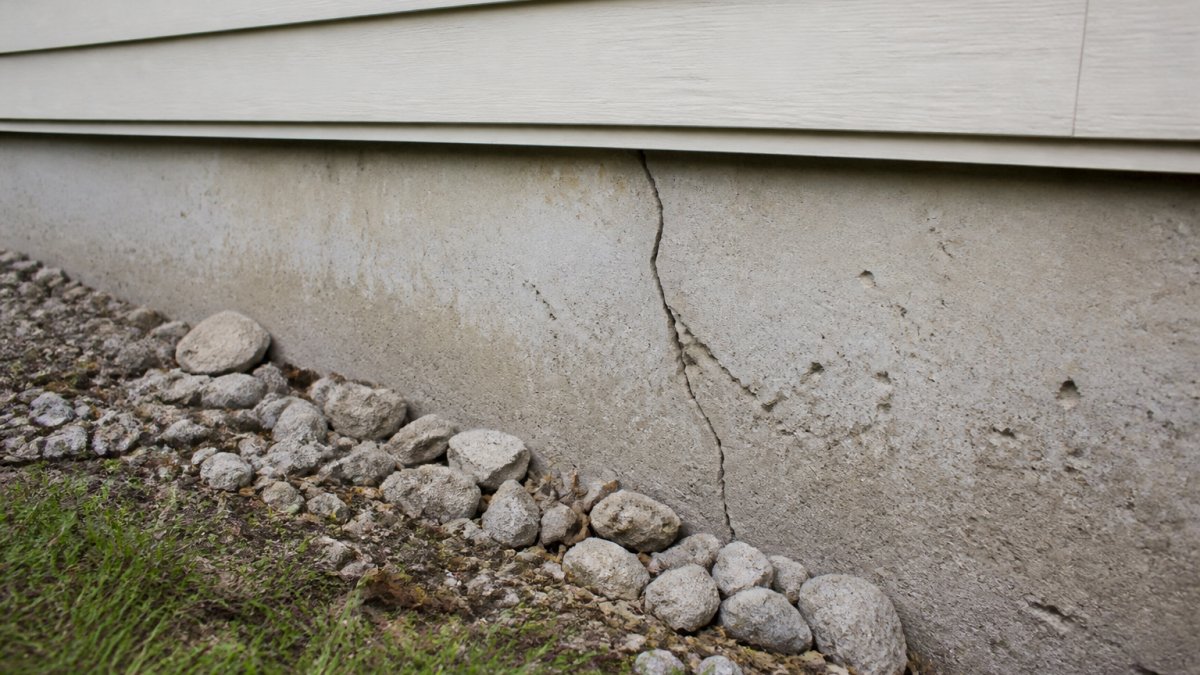
Beyond trim replacement, contractors handle other exterior repairs: sealing foundation cracks, repairing soffit and fascia, fixing loose or damaged flashing, and addressing water intrusion points. These repairs prevent costly water damage and maintain your home's weather resistance.
How to Evaluate and Hire an Exterior Maintenance Contractor
Hiring the right contractor starts with knowing what your home actually needs and when. The most useful evaluation tool isn't a list of interview questions, it's a maintenance calendar that tells you which services are due, so you can compare bids on the same scope and spot a contractor who is upselling work you don't need.
Build a maintenance calendar before you call anyone
Exterior upkeep follows the seasons. A practical annual rhythm for most homes looks like this:
- Early spring (March-April): Inspect the roof for winter damage, clean gutters of fall and winter debris, and wash siding to remove mold and algae that grew during wet months. This is also the right window for trim inspection and touch-up painting before summer heat.
- Late spring (May-June): Power wash hardscapes, driveways, walkways, patios, and decks, before outdoor entertaining season. Check fence lines for rot and loose posts.
- Summer (July-August): Address roof moss and algae before it spreads, and schedule any siding or trim repairs while weather allows adhesives and sealants to cure properly.
- Early fall (September-October): Clean gutters after the first heavy leaf drop, inspect flashing and caulking before freeze-thaw cycles, and touch up exterior paint on south- and west-facing surfaces that take the most UV.
- Late fall (November): Final gutter cleaning, downspout flushing, and a roof inspection to catch loose shingles before snow and ice.
- Winter: Limited exterior work, but a good time to book spring services and get estimates while contractors have more availability.
Use frequency to judge a bid
When you request estimates, ask each contractor how often they recommend each service for your specific property and why. A contractor who recommends the same package to every homeowner is selling a template, not a maintenance plan. A good estimate ties scope to condition: "Your gutters have two years of debris and the downspouts are partially blocked, so we recommend a full cleaning plus a downspout flush, then twice-yearly service going forward." That specificity is the difference between a maintenance partner and a one-time vendor.
What to verify before signing
- Licensing and insurance: Confirm current state licensing where required and ask for certificates of general liability and workers' compensation coverage. Call the insurer to verify the policy is active, a certificate alone can be outdated.
- Written, itemized estimates: The estimate should separate cleaning from repairs, list materials, state the timeline, and say who handles debris removal. Vague line items like "exterior maintenance" are a red flag.
- Method disclosure: Ask whether they use soft washing (low pressure, under 500 PSI, with cleaning solutions) or high-pressure power washing (2,000+ PSI) for each surface. A contractor who can explain why soft washing protects vinyl and painted wood but power washing is appropriate for concrete is demonstrating the judgment that prevents damage.
- References from similar homes: Ask for two or three recent customers with comparable siding, roof type, and tree coverage. A reference from a new-construction colonial tells you little about maintaining a 40-year-old ranch with mature oaks.
- Guarantees in writing: Workmanship warranties should state duration, what's covered, and the remedy process. Get it in the contract, not just the sales conversation.
Compare value, not just price
Compare what each bid includes against your calendar and condition notes. A slightly higher bid from an insured contractor who explains method choices and offers a written workmanship guarantee is usually the better long-term value. Ask each bidder what they would do if they found rotted trim or a damaged shingle during the job, and whether that's priced separately or included.
| Evaluation Criteria | What to Look For | Why It Matters |
|---|---|---|
| Maintenance plan | Recommendations tied to your home's condition, trees, and exposure | Shows the contractor assessed your property, not a template |
| Licensing & insurance | Current license where required, verified liability and workers' comp | Protects you if damage or injury occurs |
| Written estimate | Itemized scope, materials, timeline, debris handling | Prevents hidden costs and scope disputes |
| Method disclosure | Soft wash vs. power wash explained per surface | Reduces risk of siding, paint, or deck damage |
| References | Recent customers with similar homes and conditions | Reveals real-world quality and communication |
| Guarantees | Written workmanship and material warranty | Provides recourse and signals confidence |
Frequently Asked Questions
What does residential exterior maintenance include?
Residential exterior maintenance includes gutter cleaning, roof inspections, siding cleaning and repairs, power washing, trim replacement, and seasonal weatherproofing. These services protect your home from water damage, rot, and deterioration. Most homeowners schedule maintenance annually or semi-annually, depending on the service. Regular upkeep prevents costly repairs and extends the life of your exterior.
How often should you clean siding and gutters?
Gutters should be cleaned at least twice yearly: spring and fall. Siding should be washed every 1-3 years, depending on climate and exposure. In areas with heavy pollen or near trees, more frequent cleaning prevents algae and mold growth. A professional contractor can recommend a schedule based on your home's specific conditions and surrounding environment.
What should I ask before hiring an exterior maintenance contractor?
Ask about licensing and insurance, references from recent projects, warranty terms, and how they handle unexpected issues. Request a detailed written estimate that lists all services, materials, and labor. Confirm they're familiar with your specific service area and ask about their emergency response availability. Verify they understand local building codes and permit requirements for your property.
How do I compare estimates for exterior home maintenance?
Request estimates from multiple contractors that clearly itemize each service, material costs, and labor. Compare the scope of work, ensure all quotes cover the same services. Check that estimates include warranty or guarantee terms. Ask about timing and scheduling flexibility. Don't choose based on price alone; factor in experience, local reputation, and responsiveness to your questions.